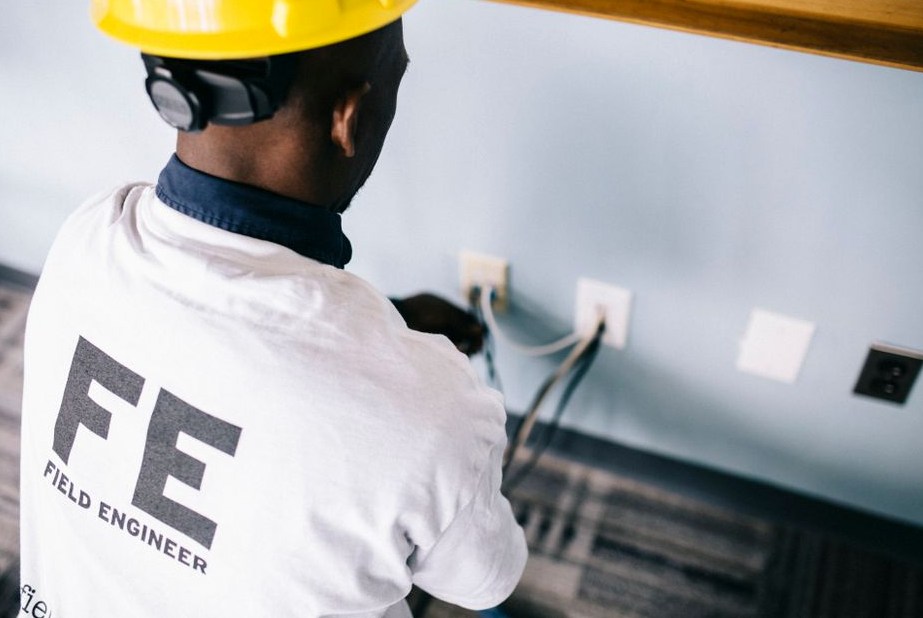
Electrical work and the handyman question
Where the line falls depends on the job. Swapping a switch, a receptacle or a fixture on an existing circuit is a small repair. Running a new circuit, adding a surge protector at the service panel or opening the panel is a different kind of work. Those jobs need a permit and an inspection, and they are the ones we do.
If you're not sure which side your project falls on, call us before anyone opens a wall. We'll tell you whether it's a quick swap or a permitted job. The local building department can answer the same question for you.
What goes into a circuit or surge protector job
We start at the panel by tracing the existing circuits so we know what is already there and what the new work will tie into. Every branch circuit gets labeled as we go. That is the step that pays off later, when a breaker trips and you don't have to flip switches to find out what it controls.
For work that runs wire through framing or touches the panel, we pull the permit and schedule a rough inspection before the walls close, then a final inspection when the job is done. Both are scheduled with the local authority having jurisdiction.
On a dedicated 20-amp circuit, such as one for a workshop, we run and secure the cable, then terminate it with a torque screwdriver so every lug is tightened to the manufacturer's listed value. A whole-home surge protector mounts at the service panel and connects to the main feed. Either job takes longer when the routing is hard to reach, the walls are finished, or the panel turns out to be different from what it looked like from outside.
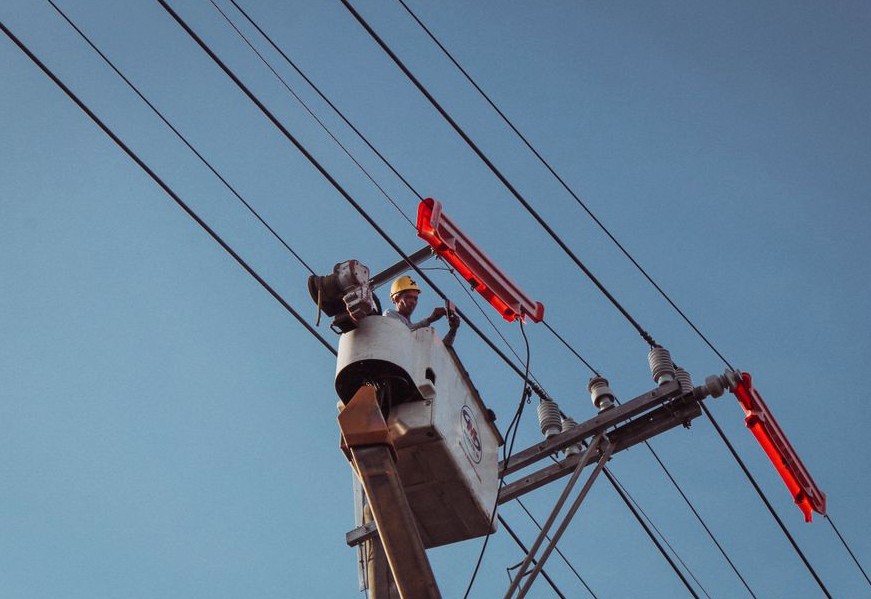
What drives the cost
A dedicated 20-amp circuit typically runs $250 to $900 installed. A whole-home surge protector typically runs $250 to $500 installed. Describe the job when you call and we'll give you the usual range for it, then firm up the number at the house.
The biggest swing in the circuit price is access. If the cable can run through an unfinished basement or open attic, the price stays toward the low end. If it means fishing wire through finished walls with few access points, or cutting and patching drywall, the labor climbs. The distance from the panel and whether the panel has room for another breaker also move the number.
Permit fees, both inspections and the panel labeling show up as their own line items on the paperwork you get from us, next to materials and labor. If a wall or the panel hides something we couldn't see from outside, we stop and talk it over with you before the work goes on.
Flood exposure and low-lying houses
Flooding is a real consideration for panels and equipment here. The Portneuf River and Pocatello, Trail, City, Cusick and Gibson Jack Creeks are all local flood threats, and valley snowmelt adds to them. Rain falling on frozen ground is a known cause of major flooding in Pocatello, and our hard winters set up exactly that.
If a panel or other equipment sits in a basement, crawl space or low spot, that changes where and how we mount it. The city's GIS map shows FEMA floodplain information, and we check your address there before planning work in a low-lying house. If your property is in a flood area, we raise it before we quote.
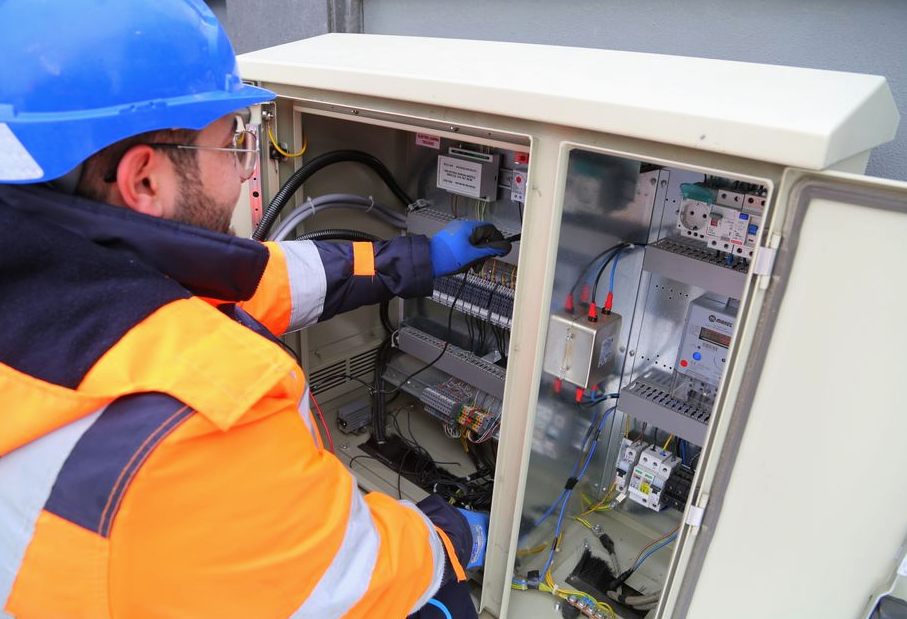
Other Services We Offer
Typical Pocatello Pricing
These numbers are a reasonable place to start, and the specifics of yours decide where in the range you land.
$150–$350
$1500–$4000
Calling is the simplest way to start, and there's nothing to sign.
Updated October 2026